
Pennsylvania Tattoo License Requirements – The Pennsylvania “Local Rule” System In Pennsylvania, the licensing process is managed at the local level rather than by a single state agency. While there is no statewide “Pennsylvania Tattoo License” issued by Harrisburg, cities and counties have strict ordinances you must follow to work legally.
For example, the Philadelphia Department of Public Health requires every artist to obtain an individual “Artist Certificate,” while Allegheny County (Pittsburgh) mandates that all body art practitioners maintain proof of annual safety training.
The Pennsylvania Artist Checklist:
City-Specific Permits: Check with your local health department (Philly, Pittsburgh, Erie, etc.) for individual permit applications.
Annual BBP Certification: Per OSHA 29 CFR 1910.1030, your Bloodborne Pathogens training must be renewed every 12 months.
Beyond Tattooing: These requirements apply to Permanent Makeup (PMU) artists, piercers, and microblading technicians across the Commonwealth.
Instant Compliance: If you are a guest artist or applying for a shop spot in Allentown or Scranton, having your ACE certificate ready proves you are a professional who prioritizes client safety.
What PA Health Inspectors Check During an Audit Whether you are in a high-end studio in Rittenhouse Square or a shop in Lancaster, inspectors focus on exposure control. To stay compliant with local Pennsylvania health codes, your training must cover:
Infection Control Plans: Understanding how to prevent the spread of HBV, HCV, and HIV in a shop environment.
Cross-Contamination Prevention: Strict aseptic techniques for setting up and tearing down stations.
Waste Management: Proper disposal of sharps and biohazardous materials in approved containers.
Record Keeping: Maintaining your BBP certificate on-site for immediate inspection.
Section 3: Why Pennsylvania Artists Choose ACE ACE Bloodborne Pathogens Training is the preferred choice for PA professionals because we offer a specialized curriculum that local inspectors trust. Pennsylvania Tattoo License Requirements
Price: $12.95 (Only $8.00 with coupon code ACE20).
Accepted Statewide: Our certificates meet the federal OSHA standards required by Philadelphia and Allegheny County health boards.
Instant PDF: No waiting for the mail. Finish the course on your break and download your certificate immediately.
[Get Certified for $8.00 Now: Pennsylvania Bloodborne Pathogens Training]
FAQ and Areas Served
Frequently Asked Questions (FAQ)
Do I need a tattoo license in Pennsylvania? Pennsylvania does not have a statewide license. Requirements are set by local municipalities. Cities like Philadelphia and Pittsburgh require individual artist permits and annual Bloodborne Pathogens certification.
Is ACE BBP training accepted in Philadelphia and Pittsburgh? Yes. ACE training is OSHA-compliant and meets the high safety standards mandated by the Philadelphia and Allegheny County health departments.
Who else needs this training in PA besides tattoo artists? Any professional exposed to bloodborne pathogens must be certified. This includes Body Piercers, Permanent Makeup (PMU) Artists, and Microblading technicians.
How do I save money on my PA certification? You can use the coupon code ACE20 at checkout to get your OSHA-compliant certificate for only $8.00.
Areas Served in Pennsylvania We provide certification training and compliance support for artists in:
Philadelphia (Philadelphia County)
Pittsburgh (Allegheny County)
Allentown (Lehigh County)
Reading (Berks County)
Erie (Erie County)
Scranton (Lackawanna County)
Harrisburg (Dauphin County)
Lancaster (Lancaster County)
Pennsylvania Tattoo License Requirements
Pennsylvania Tattoo License Requirements – Setting the Bar High for Infection Control
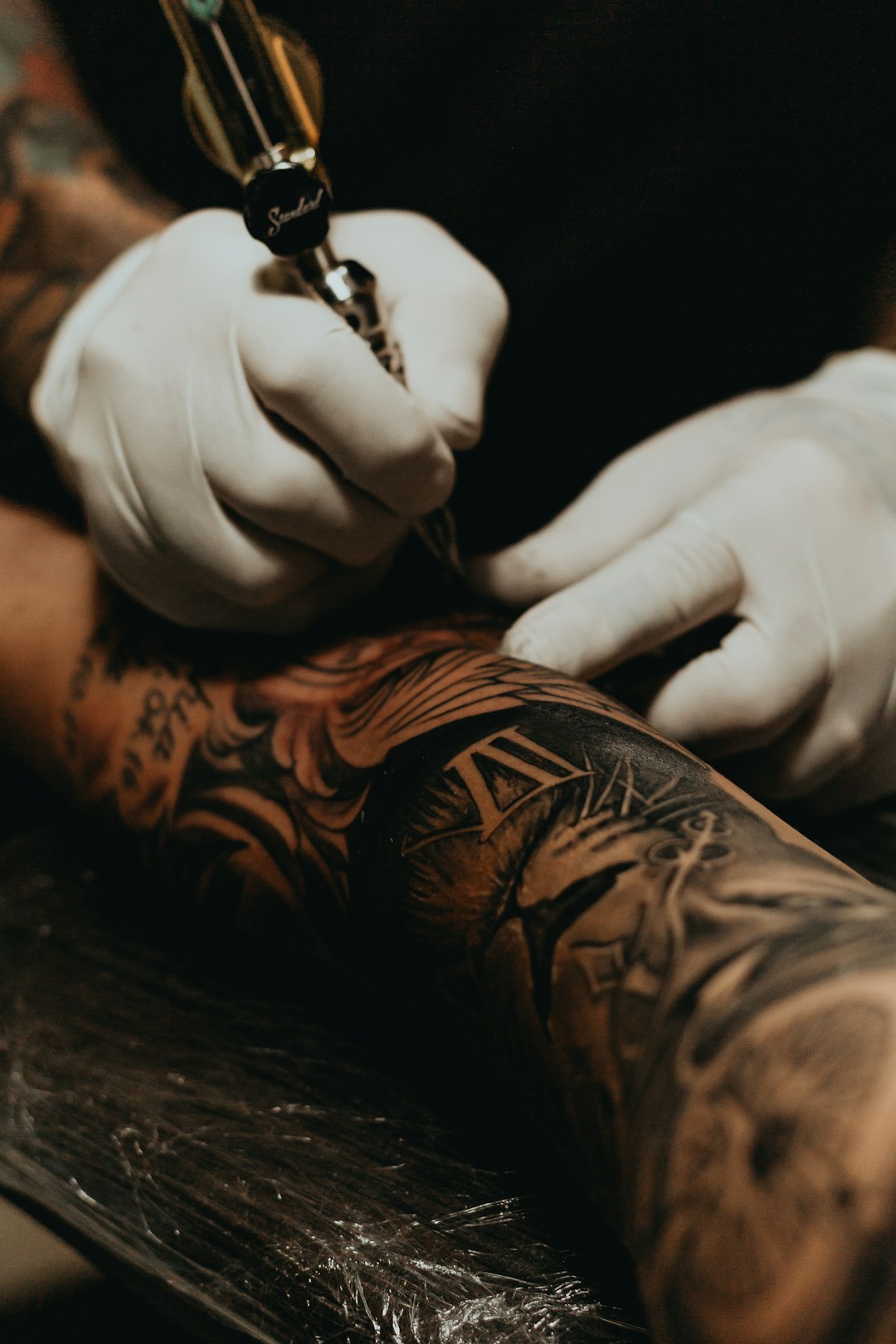
At the heart of bloodborne pathogen training lies a strong emphasis on infection control, a critical component in maintaining exemplary cleanliness standards within tattoo studios. The training covers vital topics such as hand hygiene, meticulous tool sterilization, and the safe disposal of materials, all of which ensure optimal hygiene throughout the tattooing process. These rigorous practices significantly enhance client satisfaction by fostering an environment of trust and safety. Additionally, adhering to high infection control standards bolsters the artist’s reputation, further contributing to their success and standing within the competitive tattoo industry. By continuously setting the bar high for infection control, artists reaffirm their commitment to quality and client well-being, positioning themselves as leaders in the field. Pennsylvania Tattoo License Requirements
Ready to get started? Visit ACE Bloodborne Pathogen Training or ACE Training Platforms today and take the next step in your career!
Igniting Creativity – Inspiration Sources for Tattoo Artists
The Vital Importance of OSHA Bloodborne Pathogens Training for Tattoo Artists
Texas Bloodborne Pathogens Training
Tennessee Bloodborne Pathogens Training
California Bloodborne Pathogens Training
Ohio Bloodborne Pathogens Training
Pennsylvania Bloodborne Pathogens Training
New York Bloodborne Pathogens Training
Illinois Bloodborne Pathogens Training
Click here to learn more
ACE Training PlatformsACE Continuing Education CreditsACE Food HandlerACE Home Mortgage